Blockchain and Web3: Revolutionizing the Digital World

Erick
Erick is a passionate technology enthusiast and cybersecurity advocate dedicated to helping individuals and organizations navigate the complexities of the digital world. With expertise in emerging technologies like AI, blockchain, and IoT, Erick writes insightful articles that empower readers to stay informed and secure in an ever-evolving technological landscape. When not exploring the latest cybersecurity trends, [Your Name] enjoys designing user-friendly web experiences and diving into backend development to create innovative solutions. Through their blog, [Your Name] aims to make technology accessible and inspire others to embrace its transformative potential responsibly.
Introduction
The emergence of blockchain technology and Web3 represents a paradigm shift in how the internet operates, emphasizing decentralization, transparency, and user empowerment. While blockchain lays the foundation with its secure, distributed ledger system, Web3 builds upon it, envisioning an internet where users own their data and have greater control over digital interactions. This blog explores the fundamentals of blockchain and Web3, their applications, and how they are transforming industries.
What is Blockchain?
Blockchain is a decentralized, distributed ledger that records transactions across multiple computers, ensuring transparency, security, and immutability. Unlike traditional systems, it eliminates the need for intermediaries, relying on cryptographic algorithms to validate and secure transactions.
Key Features of Blockchain:
- Decentralization: No single entity controls the data, enhancing security and reducing reliance on central authorities.
- Transparency: All transactions are visible to participants, promoting trust.
- Immutability: Once data is recorded, it cannot be altered or deleted.
Types of Blockchain:
- Public Blockchain: Open to anyone (e.g., Bitcoin, Ethereum).
- Private Blockchain: Restricted to specific participants (e.g., enterprise solutions).
- Consortium Blockchain: Controlled by a group of organizations.
What is Web3?
Web3, also known as the decentralized web, is the next evolution of the internet. Unlike Web2, which relies on centralized platforms (e.g., social media and cloud providers), Web3 leverages blockchain to enable peer-to-peer interactions, data ownership, and decentralized applications (dApps).
Core Principles of Web3:
- Decentralization: Data is distributed across the network, reducing dependence on centralized entities.
- User Ownership: Users control their data and digital assets through blockchain-powered wallets.
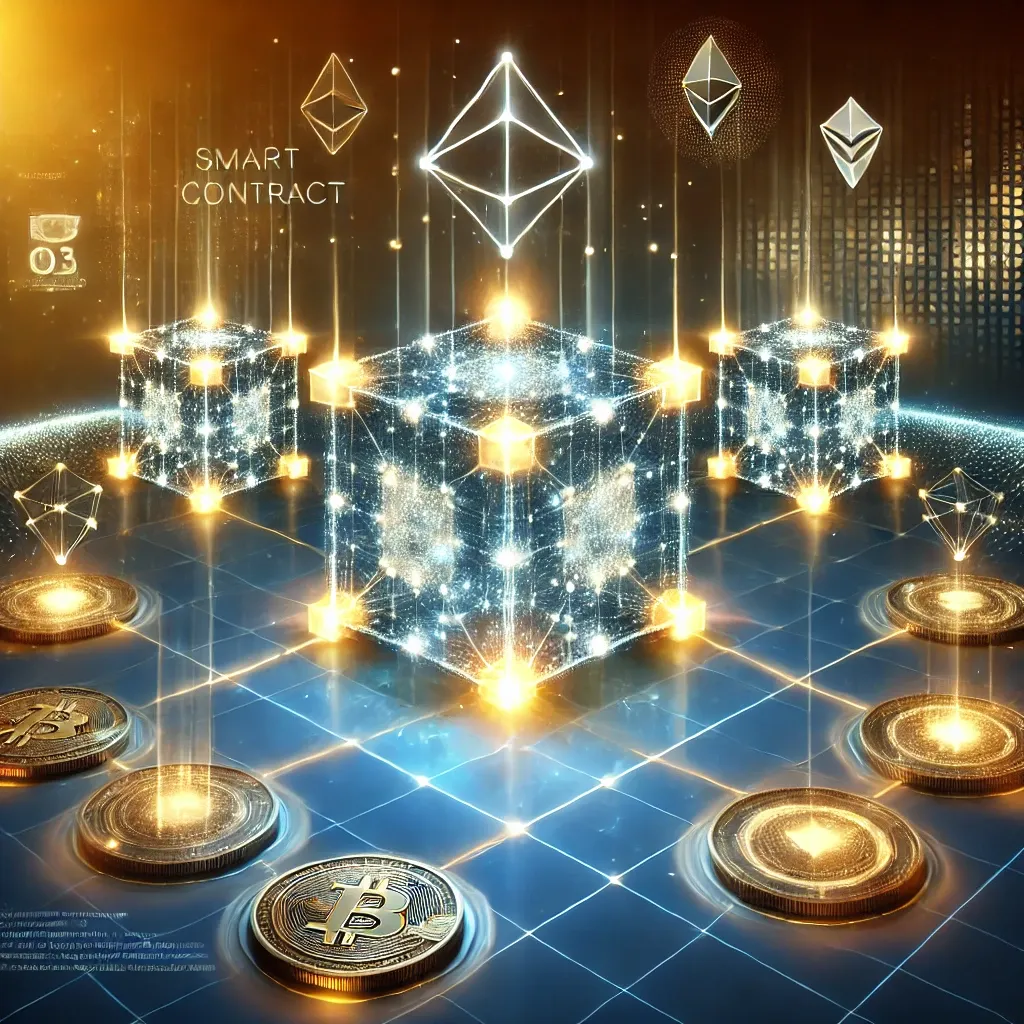
- Smart Contracts: Self-executing contracts automate agreements without intermediaries.
Applications of Blockchain and Web3
- Cryptocurrencies:
- Blockchain enables digital currencies like Bitcoin and Ethereum, revolutionizing payments and finance.
- Decentralized Finance (DeFi):
- Financial services like lending, borrowing, and trading are accessible without traditional banks.
- Non-Fungible Tokens (NFTs):
- Unique digital assets representing art, music, and collectibles, secured on the blockchain.
- Supply Chain Management:
- Blockchain ensures transparency and traceability across the supply chain, reducing fraud and inefficiencies.
- Gaming and Metaverse:
- Web3 powers play-to-earn games and virtual worlds, enabling asset ownership and monetization.
- Identity Management:
- Users can own and control their digital identities, improving privacy and security.
Benefits of Blockchain and Web3
- Enhanced Security: Blockchain's cryptographic mechanisms protect data from tampering and breaches.
- Transparency and Trust: Transactions are traceable, reducing fraud and fostering trust.
- Disintermediation: Eliminates the need for intermediaries, reducing costs and inefficiencies.
- User Empowerment: Web3 enables individuals to own and monetize their digital presence.
Challenges and Limitations
- Scalability: Blockchain networks often struggle with high transaction volumes, leading to delays and increased costs.
- Regulation: The lack of clear regulatory frameworks poses challenges for adoption.
- Complexity: Understanding and using blockchain and Web3 technologies can be daunting for non-technical users.
- Energy Consumption: Proof-of-work blockchains like Bitcoin require significant energy, raising environmental concerns.
The Future of Blockchain and Web3
- Mass Adoption: As user-friendly platforms emerge, blockchain and Web3 are becoming more accessible to the masses.
- Green Blockchain Solutions: The transition to energy-efficient models like proof-of-stake will address environmental concerns.
- Integration with AI and IoT: Blockchain and Web3 will play a crucial role in securing and managing data in AI-driven and IoT-connected systems.
- Enterprise Use Cases: Businesses are adopting blockchain for transparency, efficiency, and cost savings across sectors.
Conclusion
Blockchain and Web3 are transforming how we interact with the digital world, emphasizing decentralization, security, and user control. From finance to art, supply chains to gaming, their impact is vast and growing. As these technologies evolve, they promise to create a more equitable, transparent, and efficient internet, laying the groundwork for a truly decentralized future.