The Revolution of Artificial Intelligence and Machine Learning

Erick
Erick is a passionate technology enthusiast and cybersecurity advocate dedicated to helping individuals and organizations navigate the complexities of the digital world. With expertise in emerging technologies like AI, blockchain, and IoT, Erick writes insightful articles that empower readers to stay informed and secure in an ever-evolving technological landscape. When not exploring the latest cybersecurity trends, [Your Name] enjoys designing user-friendly web experiences and diving into backend development to create innovative solutions. Through their blog, [Your Name] aims to make technology accessible and inspire others to embrace its transformative potential responsibly.
Artificial Intelligence and Machine Learning: Transforming the Future
Introduction
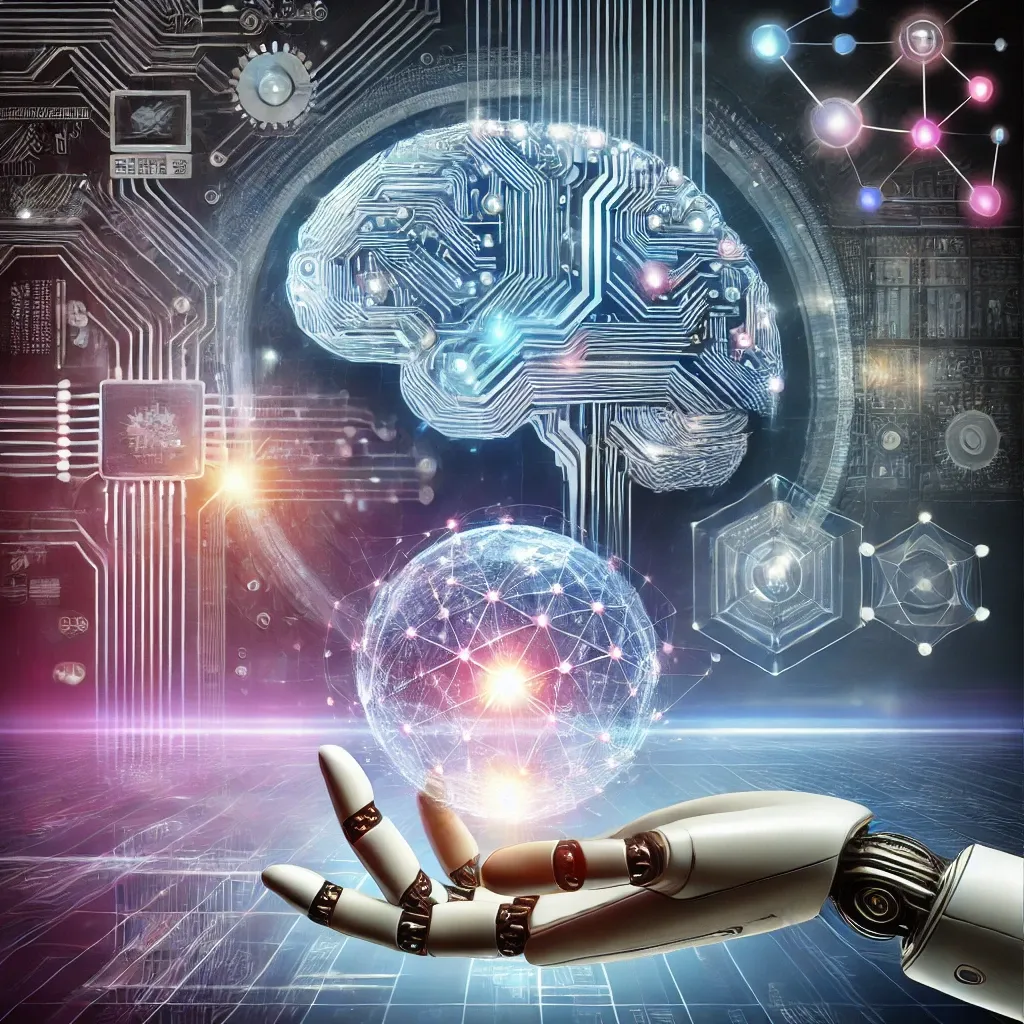
Artificial Intelligence (AI) and Machine Learning (ML) are at the forefront of technological advancement, shaping how we interact with the digital world. AI is the broader concept of creating systems that mimic human intelligence, while ML is a subset that focuses on enabling machines to learn from data and make decisions. Together, these technologies are redefining industries, enhancing productivity, and opening doors to innovative solutions.
Key Applications of AI and ML
AI and ML have become integral to numerous sectors, including:
- Healthcare
- AI-powered diagnostic tools for early detection of diseases.
- ML models for drug discovery and personalized medicine.
- Chatbots for patient engagement and support.
- Finance
- Fraud detection through anomaly detection in transactions.
- Algorithmic trading for optimized investment decisions.
- Personalized financial advice using ML-driven insights.
- Retail
- Recommendation systems tailored to user preferences.
- Demand forecasting for inventory management.
- Enhancing customer experience through virtual assistants.
- Entertainment
- Content recommendations on platforms like Netflix and Spotify.
- AI-generated media, including music and video editing.
- Virtual reality experiences enhanced by AI.
Emerging Trends in AI and ML
- Generative AI
- Tools like ChatGPT and DALL·E are enabling creative outputs, from text to image generation.
- Industries are using generative models for product design and content creation.
- Explainable AI (XAI)
- Addressing the "black-box" problem, XAI focuses on making AI decisions transparent and understandable.
- Federated Learning
- A decentralized approach to ML that ensures data privacy while improving model accuracy.
- Edge AI
- Running AI algorithms on local devices for real-time data processing without relying on the cloud.
Ethical Challenges and Considerations
While AI and ML have immense potential, they also present ethical challenges:
- Bias and Fairness: ML models can unintentionally reinforce biases present in training data.
- Privacy Concerns: With vast data collection, ensuring user privacy is a significant challenge.
- Job Displacement: Automation may lead to workforce changes, requiring reskilling initiatives.
- Security Risks: AI-driven tools can be misused for cyberattacks or disinformation.
Conclusion
AI and ML are more than just buzzwords—they are transformative technologies reshaping our world. From improving healthcare outcomes to personalizing user experiences, their impact is undeniable. However, to fully harness their potential, we must address ethical considerations and implement these technologies responsibly. As AI and ML continue to evolve, they hold the promise of a smarter, more connected future.